Transform Your Environment: How to Benefit from Premier Architectural Design Expertise
Professional architectural design services play an essential role in reshaping environments. These services merge practicality with visual appeal, guaranteeing that every project fulfills both functional requirements and aesthetic expectations. Designers utilize cutting-edge methods and eco-friendly approaches, adapting their creations to fulfill local needs. Still, a great number of people are uninformed about how these solutions can reveal the hidden possibilities within their spaces. Examining the wide-ranging benefits of working with an architect uncovers perspectives that could transform any environment.
Exploring the Value of Expert Architectural Services
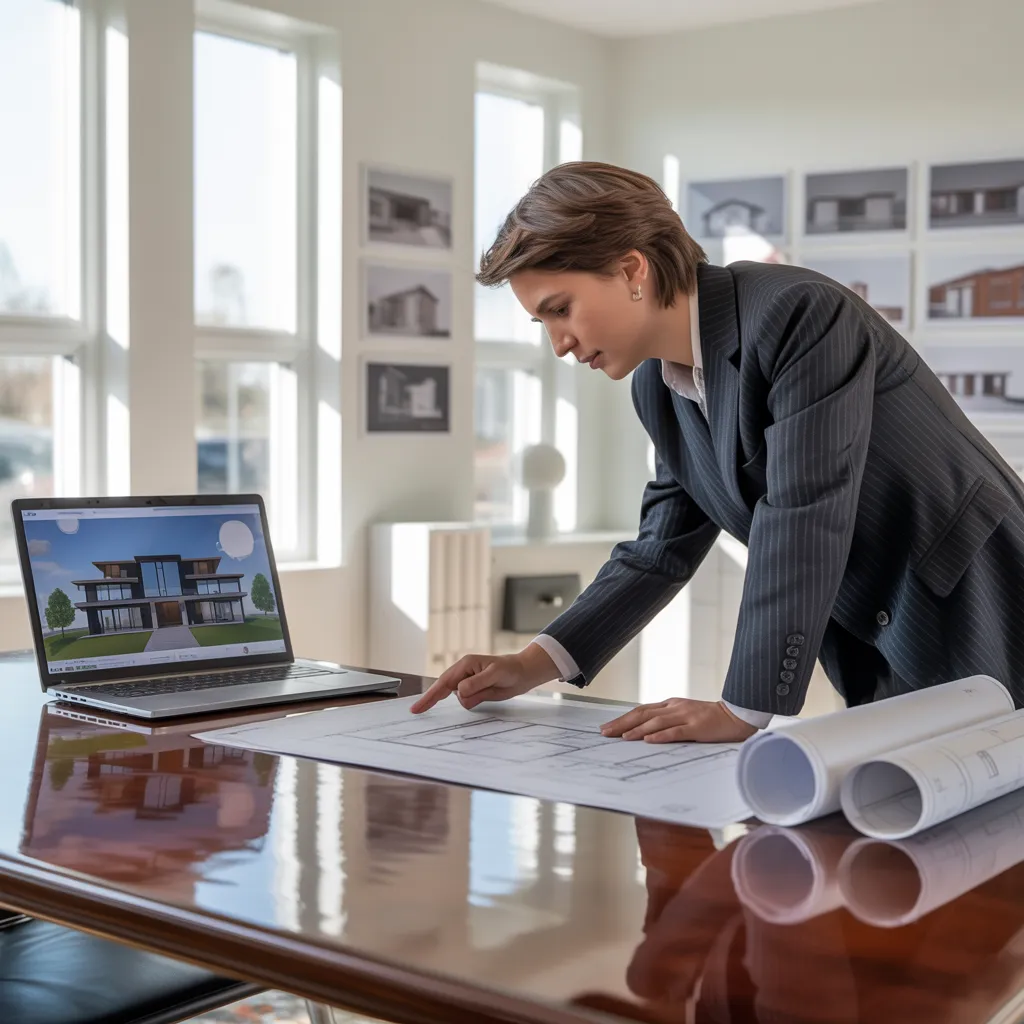
Uncovering the benefits of skilled architectural practice is vital for optimizing both practicality and visual appeal in any project. Skilled architectural work goes beyond mere aesthetics; it combines the principles of structural integrity, space planning, and environmental sustainability. By leveraging advanced techniques and a thorough understanding of architectural materials, designers create spaces that are not only visually captivating but also effective and purposeful.
Additionally, expert architects consider the particular aspects of each individual project, including regulatory requirements, environmental conditions, and community expectations. This all-encompassing approach guarantees that the final design is not only innovative but also harmonious with its surroundings. They leverage cutting-edge technology, such as advanced 3D modeling, to provide clients with a clear vision of the final product. When all is considered, choosing professional architectural design services yields lasting advantages, boosting both occupant satisfaction and the property's market value.
Top Advantages of Engaging an Architect for Your Design Project
Employing an architect for a building project offers many benefits that enhance both the overall process and the final outcome. Architects offer extensive knowledge, ensuring that projects comply with local regulations and building codes, which can help avoid significant issues down the line. Their ability to produce detailed plans and specifications serves to simplify the construction process, limiting delays and miscommunication among construction teams.
Moreover, architects are skilled in project management, coordinating multiple components of the design and construction phases. This oversight confirms that timelines and budgets are adhered to, offering clients a sense of security. In addition, architects have the ability to detect potential challenges during the early stages of planning, allowing for proactive problem-solving. Their familiarity with materials and construction methods may result in innovative solutions that maximize efficiency and sustainability. Ultimately, working with an architect not only enhances the overall design but also improves the entire journey for clients.
Improving Aesthetics and Functionality Through Architectural Knowledge
Architectural proficiency serves a vital role in improving both visual appeal and practicality in architectural projects. By utilizing creative design approaches, making the most of spatial layouts, and choosing eco-friendly materials, architectural professionals can craft settings that are visually appealing and practical. This strategy not only meets client needs but also supports ecological awareness.
Creative Design Approaches
Creative design approaches revolutionize spaces by harmoniously combining visual appeal with utility. Design experts employ innovative methods to fulfill a wide range of client expectations while improving visual impact. By incorporating elements, tones, and structures that align with the setting, design professionals develop cohesive areas that express unique personalities. Modern technology, encompassing 3D design tools and virtual environments, facilitates detailed previews, enabling clients to visualize concepts before implementation. Moreover, adopting green practices confirms that designs serve aesthetic purposes while supporting ecological preservation. Through careful consideration of light, space, and flow, these solutions maximize user experience and promote well-being. At its core, progressive design nurtures an exceptional harmony between utility and aesthetics, improving the standard of both living and workspaces.
Space Efficiency Methods
Maximizing space involves thoughtful planning and design approaches that elevate both helpful resource form and function. Skilled architectural design professionals implement techniques including expansive floor plans, which do away with superfluous walls and cultivate an airy atmosphere. Multi-functional furniture can be integrated to serve various purposes, ensuring that every square foot is utilized effectively. Furthermore, strategic positioning of windows and mirrors can produce the appearance of more expansive spaces, inviting natural light and improving visual dimension. Designers also take into account traffic flow patterns, guaranteeing that navigation through a space is both seamless and practical. By prioritizing these optimization techniques, architects transform environments into harmonious areas that not only look appealing but also cater to the practical needs of their occupants.
Eco-Friendly Material Selections
As sustainability becomes a priority, designers are turning more often to sustainable materials that improve both visual appeal and performance. Incorporating materials like reclaimed wood, bamboo, and recycled metal not only lowers the environmental footprint but also adds unique character to spaces. These decisions foster a harmonious design, merging effortlessly with organic landscapes. Beyond this, integrating options such as low-VOC paints and energy-efficient glass boosts interior air quality and strengthens thermal efficiency, thereby supporting the well-being and comfort of those within. By carefully selecting sustainable materials, architects create visually appealing environments that connect deeply with sustainability-minded clientele. Such a philosophy encourages a more conscientious design approach, proving that beauty and sustainability can coexist, as it meets the urgent demand for green solutions in contemporary architecture.
How Technology Is Transforming Modern Architectural Designs
In today's world, countless technological advancements greatly influences architectural design, revolutionizing how structures are conceived and constructed. Building Information Modeling (BIM) empowers architects to generate precise 3D models, enabling better collaboration across stakeholders and providing precision across the design process. Furthermore, virtual reality (VR) and augmented reality (AR) enable clients to experience spaces before they are created, making design decisions better informed and more natural.
Sustainability has also been enhanced through technology, with energy modeling software helping architects optimize building performance by simulating energy consumption and environmental impact. Moreover, advanced materials and construction techniques, such as prefabrication and 3D printing technologies, simplify and accelerate the building process, minimizing construction timelines and financial outlays. Drones and robotics are increasingly used for site surveys and inspections, providing real-time data that improves accuracy and safety. Taken together, technology not only elevates creative expression but also ensures architectural designs fulfill current expectations for efficiency and environmental responsibility.
Common Misconceptions About Architectural Services
Many individuals have false beliefs about the services provided by architects, thinking that they are far too costly and that architects concentrate solely on designing buildings. This narrow view overlooks the wide variety of services that architects offer, including planning and consultation. Recognizing these misunderstandings is vitally important for understanding the real significance of the expertise that architects bring.
Architectural Services Come at a High Cost
The perception that architectural services carry excessively high costs often stems from misconceptions regarding their worth and range. Numerous people associate elevated prices with being out of reach, disregarding the lasting advantages that expert design offers. Architectural services encompass more than just blueprint creation; they include thorough planning, adherence to regulations, and creative solutions. By investing in these services, individuals commonly benefit financially through optimized resource utilization, minimized construction setbacks, and greater property appreciation. Moreover, the scale and detail of a project can considerably affect pricing, underscoring the need to appreciate that a carefully structured design can generate considerable monetary savings. Ultimately, considering architectural services as a worthwhile investment rather than a cost can shift perspectives and deepen recognition of their value.
Architects Solely Design Buildings
A common misconception is that architects solely focus on designing buildings. The fact is, their proficiency goes much further than basic building design. Architects are involved in urban planning, landscape design, and interior spaces, ensuring harmony between various elements. They collaborate with clients to create functional environments that enhance quality of life. Moreover, architects are involved in sustainable development, weaving green practices into their design processes. They regularly take on public spaces, green parks, and civic projects, responding to societal requirements and upgrading urban frameworks. Moreover, architects provide valuable insights during renovation and restoration projects, preserving historical significance while adapting to modern needs. This multifaceted role showcases their importance in shaping not just buildings, but entire communities and environments.
Picking the Best Architect for Your Design Vision
How can someone ensure that the architect they choose matches their specific design vision? Selecting the right architect requires thoughtful evaluation of multiple aspects. First, reviewing an architect's portfolio can provide insight into their creative style and skill set. This approach enables future clients evaluate whether the architect's past projects reflects their individual design sensibilities.
Moreover, clear communication is essential. Participating in early consultations gives clients the opportunity to articulate their ideas and expectations openly. A skilled architect's capacity to listen and reply with care demonstrates their dedication to grasping the client's vision.
Additionally, examining references and testimonials from clients can uncover the architect's dependability and professional standards. It is important to ensure that the architect has relevant experience suited to the project's requirements, whether the project is residential or commercial. At the end of the day, a carefully selected architect can make a vision a reality, making the choice of architect critical for achieving successful architectural results.
Triumphs in Architectural Design
Bringing concepts to life, successful architectural design stories illustrate the remarkable influence of careful planning and innovative execution. One notable example is the transformation of a historic warehouse into a dynamic community space. Designers carefully retained the building's historic elements while incorporating contemporary conveniences, resulting in a space that promotes teamwork and meaningful connection.
A further remarkable instance highlighted a sustainable housing development that utilized eco-friendly materials and creative architectural methods. This methodology not only minimized environmental impact but also fostered a cohesive and comfortable residential setting, defining a new precedent for future developments.
Within city environments, the transformation of neglected areas into lush green spaces showcases how thoughtful planning can elevate the well-being of local communities. Each instance reveals a dedication to improving both form and function, illustrating how professional architectural services can elevate spaces and improve quality of life. Such achievements stand as proof of the transformative power of architecture in crafting spaces for future generations.
Questions We Often Receive
What Qualifications Should I Consider When Choosing an Architect?
When seeking an architect, you should consider qualifications such as a relevant degree, proper professional licensing, portfolio diversity, effective interpersonal skills, and expertise in the specific project type to secure seamless cooperation and successful project completion.
How Much Time Does the Architectural Design Process Usually Take?
The architectural planning process generally requires anywhere from three to six months, based on project complexity, the needs of the client, and regulatory approvals. Strong communication and teamwork can help accelerate this timeline, ensuring timely delivery of the final design.
What Are the Costs Associated With Hiring an Architect?
The costs associated with hiring an architect usually span from 5% to 15% of the complete project budget, depending on complexity and scope. Additional fees may arise for consultations, revisions, and specialized services throughout the design process.
Are Architects Able to Assist With Permits and Zoning Regulations?
Yes, architects can assist with permits and zoning regulations. Their knowledge ensures adherence to local laws, expediting the application process and decreasing potential setbacks, ultimately facilitating the successful realization of a project.
How Can I Communicate My Vision Effectively to an Architect?
To communicate effectively with an architect, one should prepare visual aids, articulate specific needs, talk through design preferences, and remain open to suggestions. Clarity and collaboration foster a productive dialogue, making certain the concept integrates with architectural skill.